
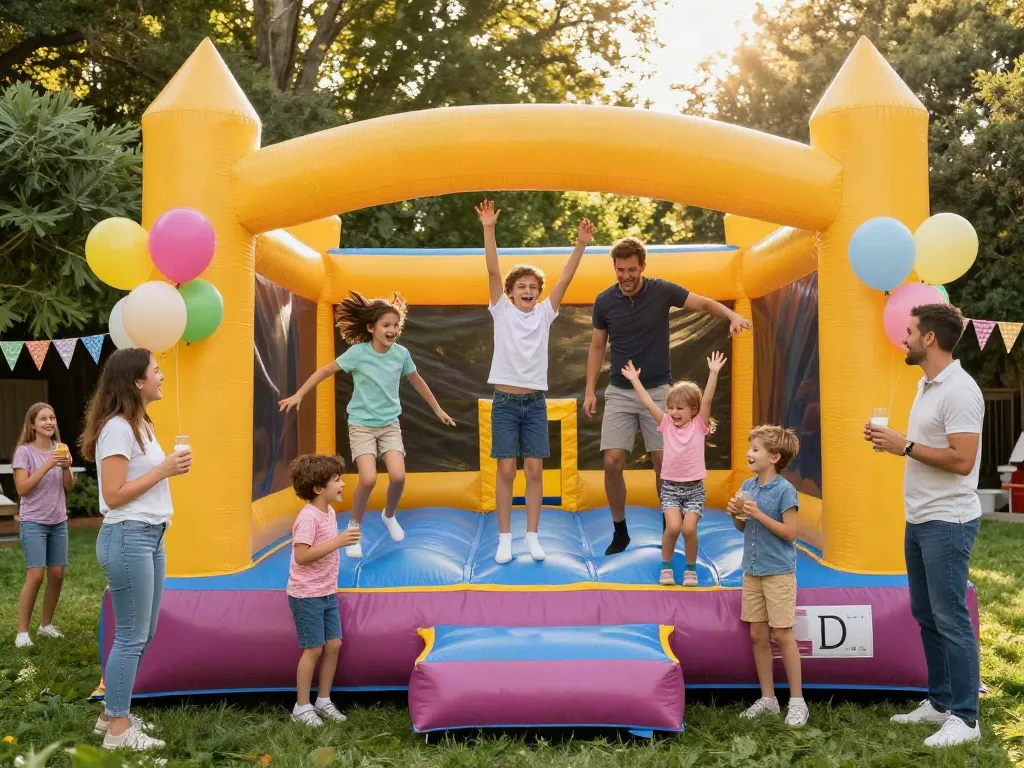
Understanding the Different Types of Bounce Houses
Bounce houses, also known as inflatable jumping castles, have become a staple for children's parties and events. These vibrant, inflatable structures provide endless entertainment and physical activity, catering to various themes and preferences. With an abundance of options available, parents and event organizers often find themselves wondering which bounce house is the perfect fit for their needs. When exploring options, bounce house offerings can provide comprehensive insights into the myriad of choices available in the market today.
What Are the Various Forms of Bounce Houses?
Bounce houses are versatile inflatables that come in different forms to cater to various preferences and needs. The most common types include:
- Traditional Bounce Houses: These are simple, open structures designed primarily for jumping.
- Combo Bounce Houses: These feature additional elements like slides and climbing walls, creating a multi-functional play area.
- Water Bounce Houses: Perfect for summer parties, these include water slides or splash areas that provide refreshing fun.
- Obstacle Course Bounce Houses: Designed for competitive play, these inflatable structures challenge users to navigate through various obstacles.
- Themed Bounce Houses: Featuring popular characters or themes, these add a decorative appeal to birthday parties or themed events.
Comparing Inflatable Bounce Houses for Indoor vs. Outdoor Use
When deciding between an indoor or outdoor bounce house, several factors come into play, including space, safety, and rental requirements. Indoor bounce houses are typically smaller and designed with softer materials to accommodate limited space and lower heights, making them suitable for gymnasiums or recreational centers. On the other hand, outdoor bounce houses are larger and built to endure various weather conditions. They often require anchoring to the ground for stability and safety during use.
Features to Look for in a Bounce House
Choosing the right bounce house means considering several essential features:
- Safety Standards: Look for bounce houses that meet safety requirements and incorporate safety nets and padding.
- Weight Capacity: Ensure the bounce house can accommodate the number of children using it without exceeding weight limits.
- Durability: Higher-quality materials ensure longevity, even with frequent use.
- Accessibility: Features such as ramps or low entry points are vital for younger children.
- Easy Setup: Choose models featuring quick inflation and deflation mechanisms for convenience.
Assessing Safety Standards for Bounce Houses
Safety is paramount when it comes to bounce houses. Understanding the different safety measures in place ensures a fun and accident-free experience for children.
Common Safety Regulations for Bounce Houses
Regulatory bodies have established guidelines for bounce houses, which include ensuring that they are made from non-toxic materials, have reinforced seams, and feature safety netting to minimize the risk of falls. Always rent from reputable suppliers that adhere to local regulations and provide safety documentation.
How to Inspect a Bounce House Before Use
Before using a bounce house, conducting a thorough inspection is crucial. Check for any visible damages, such as tears or punctures, especially around seams and entry points. Ensure that the bounce surface is clean and dry to avoid slipping accidents. Also, confirm that required safety equipment, such as anchor stakes, is available for outdoor setups.
Understanding Weight Limits and Capacity
Each bounce house has specific weight limits and capacity guidelines, usually indicated by the manufacturer. It’s essential to adhere strictly to these limits to ensure the safety of all users. Parents should supervise children to ensure adherence to capacity limits during playtime.
Renting vs. Buying a Bounce House: Which is Best?
Deciding whether to rent or buy a bounce house depends on various factors, including frequency of use, budget, and space availability.
Pros and Cons of Renting a Bounce House
Renting a bounce house can be a practical solution for those who host occasional parties. Some advantages include:
- Lower Upfront Costs: Renting typically requires a smaller initial financial outlay compared to purchasing.
- No Maintenance Responsibilities: Rental companies usually handle cleaning and maintenance, reducing long-term commitments.
- Variety: Renting allows access to various models and themes for different occasions.
However, there are also potential downsides to consider:
- Availability: Popular rentals may need to be booked well in advance.
- Rental Fees: Frequent rentals can add up, making it more expensive over time compared to buying.
Factors to Consider When Buying a Bounce House
If families plan to host multiple parties annually, buying a bounce house may be worth the investment. Important considerations include:
- Storage Space: Ensure there is adequate space to store the inflatable when not in use.
- Quality: Invest in a high-quality bounce house to avoid wear and tear over time.
- Features: Consider desired features such as slides, themes, and additional play areas to enhance fun.
Cost Comparison: Renting vs. Buying
In general, renting a bounce house ranges from $100 to $300 per day, depending on the type and features. In contrast, purchasing a bounce house generally costs between $1,000 to $5,000 for high-quality models. Analyzing how often you host events can help determine whether renting or buying is the better financial choice.
Planning Your Bounce House Party: Essential Tips
Creating a successful party with a bounce house involves careful planning and consideration of various factors.
Choosing the Right Location for Your Bounce House
The location is essential for the safety and enjoyment of the bounce house. An ideal space allows for ample room for safe jumping, keeping away from obstacles or sharp objects. For outdoor events, a flat, level area is critical to ensure stability, while indoor locations should be spacious enough to allow for safe play.
Recommended Party Themes That Include Bounce Houses
Bounce houses can complement many party themes, such as:
- Princess or Fairy Tales: Incorporate a castle-themed bounce house.
- Superheroes: Choose a bounce house featuring popular hero characters.
- Under the Sea: Splash-themed bounce houses are perfect for summer parties.
Creating a Safe and Enjoyable Environment
A safe environment is crucial for a successful bounce house party. Designate a responsible adult to supervise the bounce house, enforce rules like one person at a time, and ensure that children remove shoes before jumping. Provide plenty of hydration, especially in hot weather, to keep children healthy and active.
Future Trends in Bounce Houses for 2026 and Beyond
The inflatable bounce house industry is evolving, showcasing exciting trends focused on innovation and sustainability.
Innovative Features and Designs for Bounce Houses
Modern bounce houses are incorporating advanced features like interactive games, augmented reality experiences, and built-in slides to enhance play. Manufacturers are increasingly focusing on offering customizable options, allowing customers to select themes and colors that resonate with their desired aesthetic.
Projections for Bounce House Rentals and Sales
The bounce house rental market is anticipated to continue growing as more families recognize the value of inflatable entertainment. With rising demand, the variety of bounce houses available will increase, catering to diverse preferences and party themes.
How Eco-Friendly Materials are Shaping the Industry
As environmental consciousness rises, many manufacturers are exploring eco-friendly materials that reduce the carbon footprint. This shift includes using recycled materials and sustainable construction practices to produce bounce houses, making them safer for children and the planet.
FAQs About Bounce Houses
What is the best age for children to use a bounce house?
Generally, bounce houses are suitable for children aged 2 and up. Supervision is crucial to ensure that age-appropriate rules are followed, as older kids could pose a risk to younger children.
How do I maintain a bounce house?
Regular maintenance involves cleaning the surface after each use, checking for damages, and storing it properly when not in use. Consider investing in professional cleaning services to ensure longevity.
Are there any weight limits for bounce houses?
Yes, each bounce house has a designated weight limit, typically ranging from 100 lbs to 1,000 lbs depending on the model. It is essential to adhere to these limits for safety.
How much space do I need for a bounce house?
Most bounce houses require a minimum space of 15 feet by 15 feet to provide a safe jumping area, plus additional space for setup and safety buffers.
What safety features should a bounce house have?
Key safety features include durable construction materials, reinforced seams, netting for visibility, and secure anchor points. Additionally, an easy access entrance helps minimize accidents during entry and exit.